Member Resources

Explore Our Member Resources

Access helpful information, educational resources, and tools designed to support your care. Explore videos, answers to frequently asked questions, payment options, and more—all in one convenient place.

Easy and Hassle-free

Carelink DME made everything easy from start to finish. The Carelink Team was friendly, helpful, and quick to respond to any questions I had. The equipment arrived on time, and the entire process was smooth and hassle-free. Excellent service—I would definitely recommend them!

J. Miller

previous arrow
next arrow

Videos

Featured Resources Sleep Videos 

Proven Results

Sleep Study Providers

Carelink’s approach delivers meaningful, measurable impact across both cost and care.

Carelink was never intended to operate as a traditional vendor. Our role is to work alongside your team, contributing insight, consistency, and a shared focus on performance.

We believe the most effective partnerships are built over time, grounded in trust, and measured by outcomes that matter. That is the standard we bring to every relationship.

Frequently Asked Questions (FAQs)

About CPAP Machines: Comprehensive Review and Expanded Guide

Continuous Positive Airway Pressure (CPAP) therapy remains the gold standard for treating Obstructive Sleep Apnea (OSA) and related sleep-disordered breathing conditions. However, many patients and caregivers have questions and concerns about its use, side effects, the adaptation period, and long-term benefits. This report critically reviews these issues and provides in-depth, evidence-based answers, drawing on authoritative, up-to-date sources. 

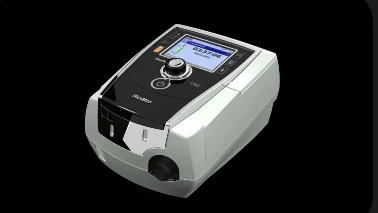
A CPAP machine delivers a continuous stream of pressurized air through a mask, keeping the upper airway open during sleep. This pressurized airflow prevents the soft tissues in the throat from collapsing and obstructing the airway, the main cause of breathing interruptions in sleep apnea. The machine draws air from the environment, filters it, and then pushes it through a flexible tube into the mask. This process ensures that the user’s airway remains open, thereby maintaining steady oxygen levels and preventing repeated awakenings due to breathing pauses (SLEEPAPNEA +1). 

Adapting to CPAP therapy is a gradual process. During the first few nights or weeks, users may experience discomfort, difficulty falling asleep, or claustrophobia from the constant airflow and the mask. Initial side effects can include nasal congestion, dry mouth, or minor skin irritation. However, these symptoms typically improve as users acclimate to the device and as adjustments are made to the mask fit, humidification, or pressure settings. The key is persistence—most people find that with consistent nightly use, comfort and sleep quality improve significantly (Harvard Health, 2020 +1). 

Most users adapt to CPAP therapy within 1 to 2 weeks, though achieving full comfort and routine adherence can take 30 to 60 days. Consistency is essential for successful adaptation. Experts recommend wearing the mask during quiet, awake activities, such as reading or watching TV, to help the brain and body acclimate to the sensation before using it overnight (SLEEPAPNEA). 

Claustrophobia is a common initial reaction to CPAP masks, especially those that cover the nose and mouth. To manage it: 

  • Gradual Desensitization: Begin by wearing the mask for short periods throughout the day, gradually increasing the duration. 
  • Use of Comfort Features: Many modern CPAP machines offer “Auto-Ramp” or “Smart Start” features that begin therapy at a lower pressure and gradually increase to the prescribed level once you are asleep, making the experience less overwhelming. 
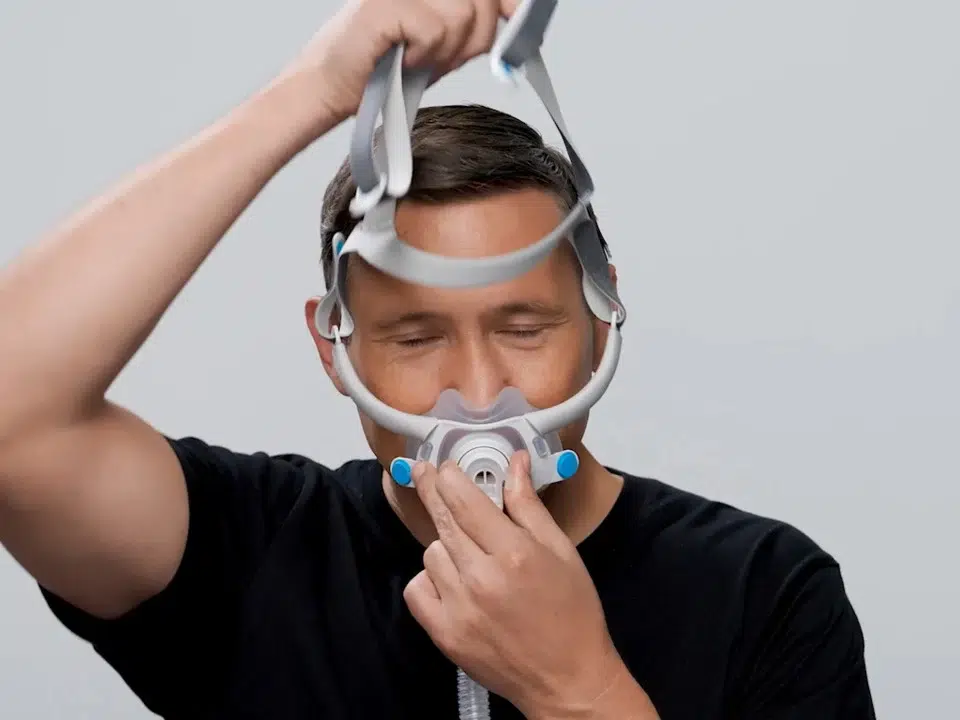
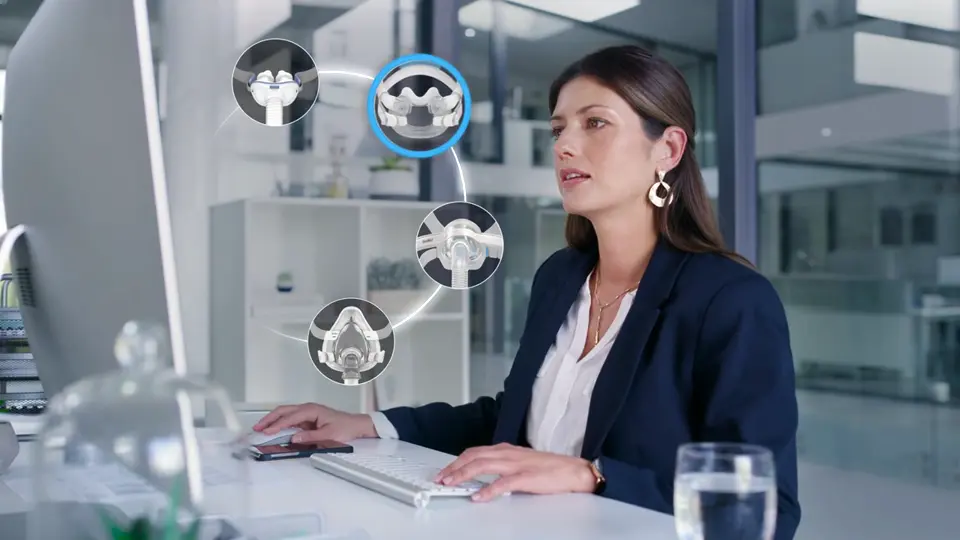
  • Mask Selection: Trying different mask types (nasal pillows, nasal masks, or full-face masks) can help identify the most comfortable fit (SLEEPAPNEA). 

Dryness and nasal congestion are common side effects of CPAP therapy. These can result from mouth breathing, air leaks, or inadequate humidification. Solutions include: 

  • Heated Humidifier: Use a CPAP machine with a heated humidifier and heated tubing to humidify the airflow. 
  • Saline Nasal Sprays: Using a saline spray before bedtime can help keep the nasal passages moist. 
  • Mask Fit: Ensure the mask fits well to prevent air leaks, which can worsen dryness and congestion. 
  • Chin Straps: If mouth breathing is the issue, a chin strap may help keep the mouth closed(Gerould’s Healthcare Center, 2026 +1). 

Many users report reduced snoring and increased alertness within a few days of starting CPAP therapy. The full benefits, including normalized blood pressure, restored daytime energy, improved concentration, and better cognitive function, typically become apparent after 2 to 4 weeks of consistent use. Long-term adherence is associated with sustained improvements in cardiovascular health and overall quality of life (AMA, 2026 +1). 

Yes, CPAP therapy should be continued during travel to maintain its health benefits and prevent the return of sleep apnea symptoms. The Transportation Security Administration (TSA) allows CPAP machines as medical devices, and they do not count as a carry-on item. Portable travel CPAP machines are available and more compact for convenience. Always bring necessary accessories, such as masks, tubing, and adapters, and check for compatibility with international power outlets if traveling abroad (SLEEPAPNEA). 

CPAP therapy is typically a lifelong treatment for most people with obstructive sleep apnea because it addresses the underlying anatomical causes rather than curing the condition. Some individuals may see improvement in their sleep apnea with significant weight loss, surgery, or other interventions, but for most, ongoing nightly use is required to maintain symptom relief and prevent complications (SLEEPAPNEA). 

Regular use of CPAP therapy provides numerous health benefits, including: 

  • Daytime Alertness: Reduces excessive daytime sleepiness and improves cognitive function. 
  • Improved Sleep Quality: Reduces or eliminates snoring and nighttime awakenings. 
  • Cardiovascular Protection: Lowers blood pressure and reduces the risk of heart disease and stroke. 
  • Pulmonary Health: Can alleviate pulmonary hypertension and improve breathing in certain lung conditions. 
  • Quality of Life: Enhances mood, memory, and overall well-being (StatPearls, 2026 +1). 

Consistent CPAP use can help prevent or reduce the following conditions: 

  • Hypertension (High Blood Pressure): Untreated sleep apnea is a major risk factor for hypertension. 
  • Heart Disease and Stroke: CPAP reduces the risk of cardiovascular events. 
  • Type 2 Diabetes: Poor sleep quality and intermittent hypoxia due to untreated sleep apnea can worsen insulin resistance. 
  • Cognitive Decline: Improved oxygenation and sleep continuity help protect against memory loss and impaired concentration. 
  • Mood Disorders: Better sleep reduces the risk of depression and anxiety. (StatPearls, 2026). 

Common Side Effects: 

  • Nasal Congestion or Runny Nose: Often managed with humidification and saline sprays. 
  • Dry Mouth: Use a full-face mask or chin strap if mouth breathing is the cause. 
  • Skin Irritation or Pressure Sores: Ensure proper mask fit and consider masks with softer cushioning. 
  • Aerophagia (Swallowing Air): May require pressure adjustment or switching to a BiPAP device. 
  • Claustrophobia: Desensitization techniques and mask changes may help. 
  • Eye Irritation: Check for mask leaks that direct air toward the eyes (SLEEPAPNEA +1). 

Management Tips: 

  • Regular cleaning and replacement of the mask and tubing. 
  • Consultation with a sleep specialist for persistent issues. 
  • Use of comfort features and accessories, such as humidifiers and mask liners.. 

If you experience ongoing discomfort, mask leaks, persistent side effects, or difficulty adapting to therapy, it is crucial to consult your sleep specialist. They can: 

  • Reassess your pressure settings. 
  • Recommend alternative mask types or sizes. 
  • Suggest switching to an auto-adjusting CPAP (APAP) or BiPAP if appropriate. 
  • Provide additional support and troubleshooting strategies (SLEEPAPNEA). 

For those unable to tolerate CPAP, alternatives include: 

  • Oral Appliance Therapy: Custom dental devices that reposition the jaw to keep the airway open. 
  • Positional Therapy: Devices or strategies to prevent sleeping on the back. 
  • Surgery: Procedures to remove or reduce tissue from the airway. 
  • Adaptive Servo-Ventilation (ASV) or BiPAP: For specific types of sleep apnea or pressure intolerance (Harvard Health, 2020). 
  • Daily: Wipe down the mask and empty the humidifier chamber. 
  • Weekly: Wash the mask, tubing, and humidifier chamber with mild soap and water. 
  • Every 3-6 Months: Replace mask cushions, filters, and tubing as recommended. Regular maintenance prevents infections, ensures optimal performance, and extends your equipment’s lifespan. (StatPearls, 2026). 

Yes, in most regions, a prescription from a licensed healthcare provider is required to obtain a CPAP machine and related supplies. This ensures the device is properly configured to your therapeutic needs (SLEEPAPNEA). 

Make a payment

Payment Form

Make a quick and secure payment using the the payment form. Simply enter your payment details to complete your transaction.

This field is for validation purposes and should be left unchanged.
Name(Required)
Address(Required)

Member Support

Connect with our team to learn how Carelink can help you navigate your healthcare benefits, access the supplies and support you need, and enjoy a simpler, more personalized care experience every step of the way.